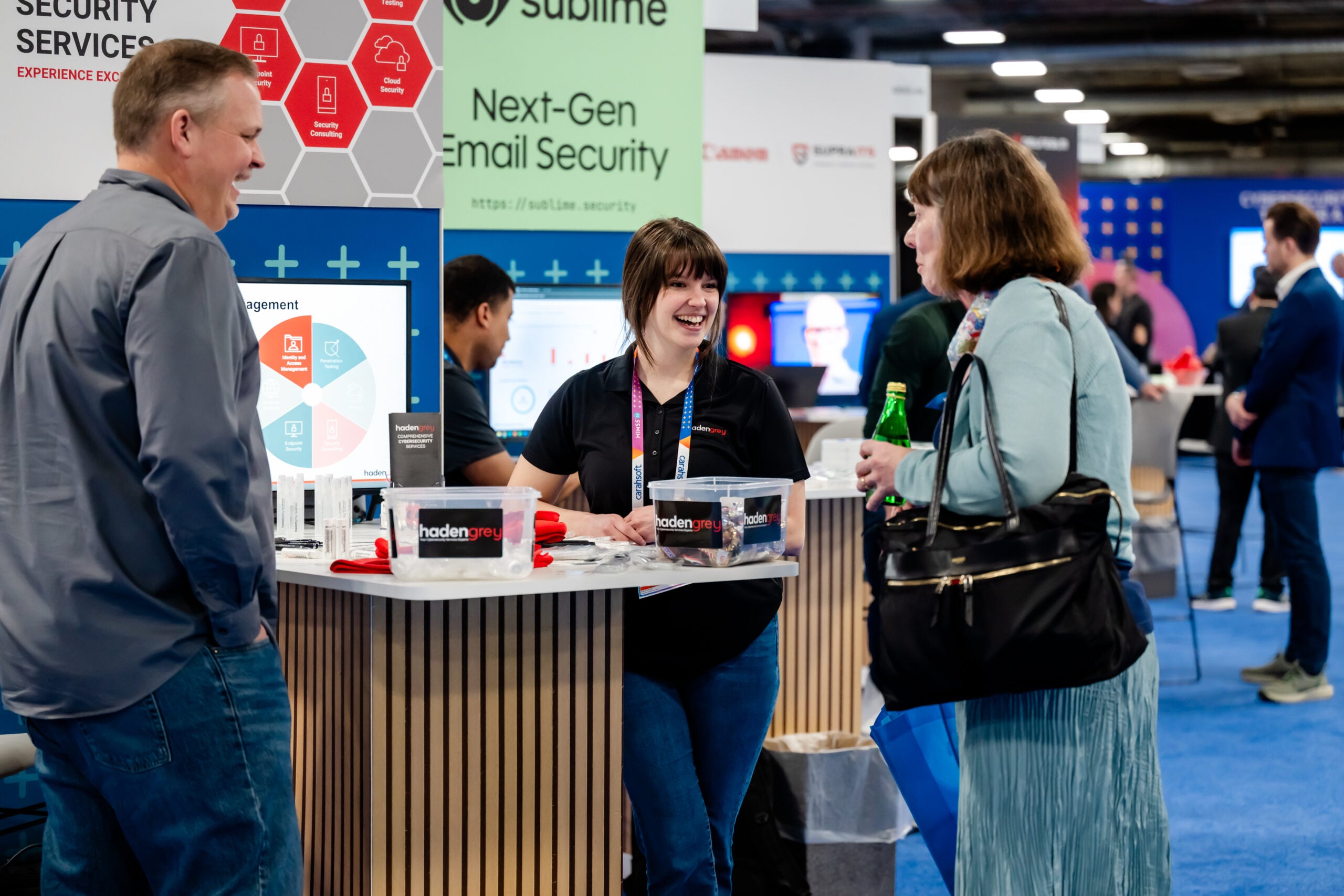
The modern healthcare exhibit floor is louder, larger, and more competitive than ever.
Buyers are navigating thousands of products, packed schedules, nonstop outreach, and shrinking attention spans — all while trying to solve very real operational problems inside increasingly strained healthcare organizations.
That means exhibitors can no longer rely on oversized booths, vague AI messaging, or passive demos to capture attention.
Today’s healthcare buyers stop for experiences that feel immediately relevant, practical, and worth their time.
Recent industry research reinforces this shift. According to the latest Freeman Trends Report, attendees consistently prioritize real-world application, actionable learning, and meaningful interaction over spectacle or passive content.
For healthcare tech exhibitors preparing for the and beyond, understanding what actually draws buyers in can make the difference between booth traffic and meaningful pipeline conversations.
Buyers Stop for Real Workflow Solutions, Not Broad Transformation Claims
Healthcare organizations are under immense operational pressure.
Staffing shortages, administrative burden, cybersecurity concerns, interoperability gaps, and financial strain continue to dominate executive priorities across the industry.
As a result, healthcare buyers increasingly respond to exhibitors who clearly demonstrate:
- how a solution fits into existing workflows
- how quickly it can be implemented
- what operational friction it reduces
- what measurable outcomes it improves
Generic messaging like:
- “Transforming healthcare”
- “Next-generation innovation”
- “AI-powered platform”
is becoming easier to ignore because buyers hear variations of it everywhere.
Instead, specificity wins attention.
Messaging tied to:
- reducing clinician documentation burden
- improving patient throughput
- simplifying interoperability
- reducing manual workflows
- strengthening cybersecurity posture
- accelerating care coordination
feels far more tangible to healthcare decision-makers.
According to Deloitte’s 2026 healthcare outlook, health systems are increasingly prioritizing operational efficiency, workforce stabilization, and technology investments tied directly to measurable performance improvement.
What exhibitors should do:
Strong booth messaging should answer:
- What problem does this solve?
- Who specifically benefits?
- How quickly can value be realized?
- What operational burden is reduced?
Healthcare buyers are increasingly rewarding clarity over abstraction.
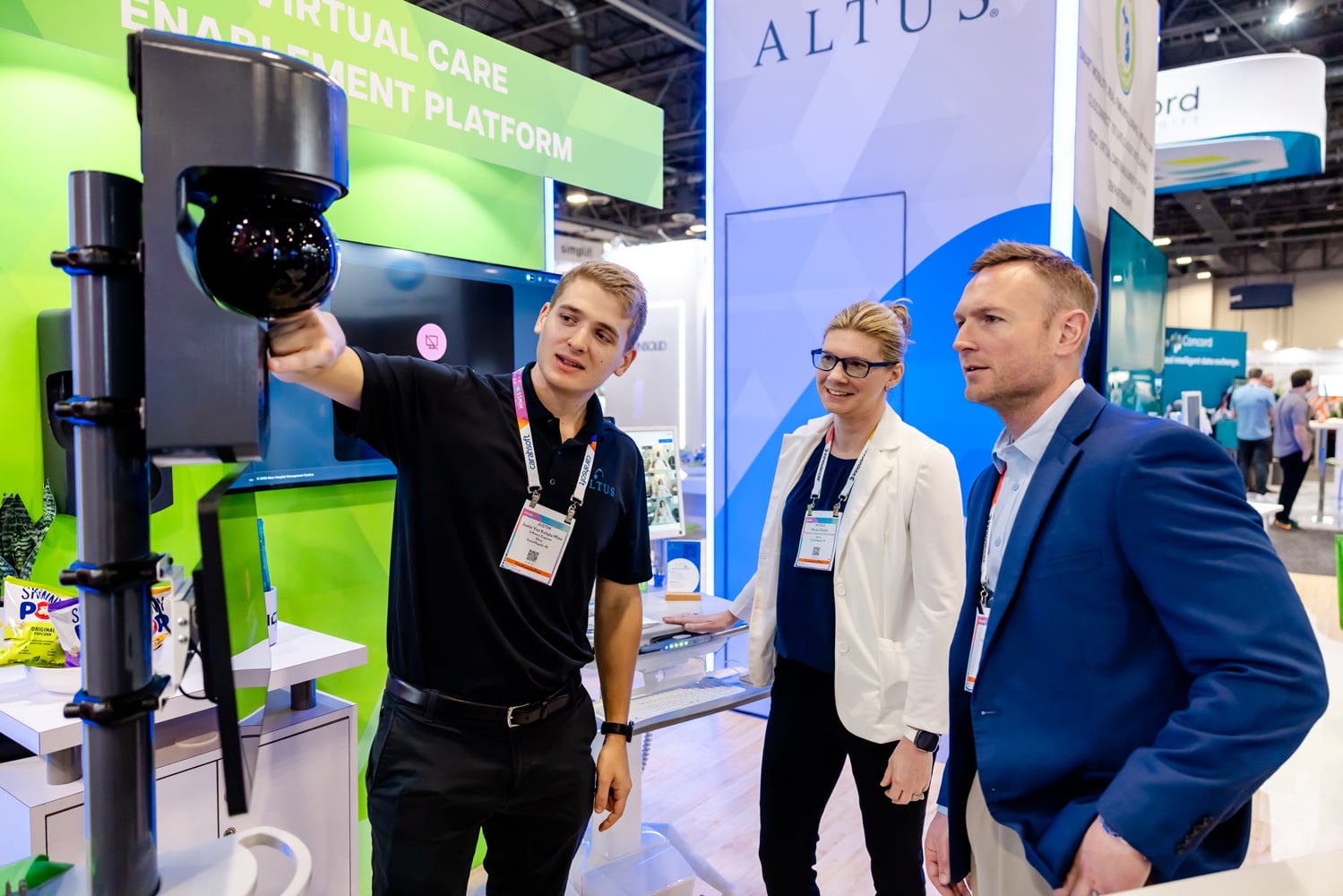
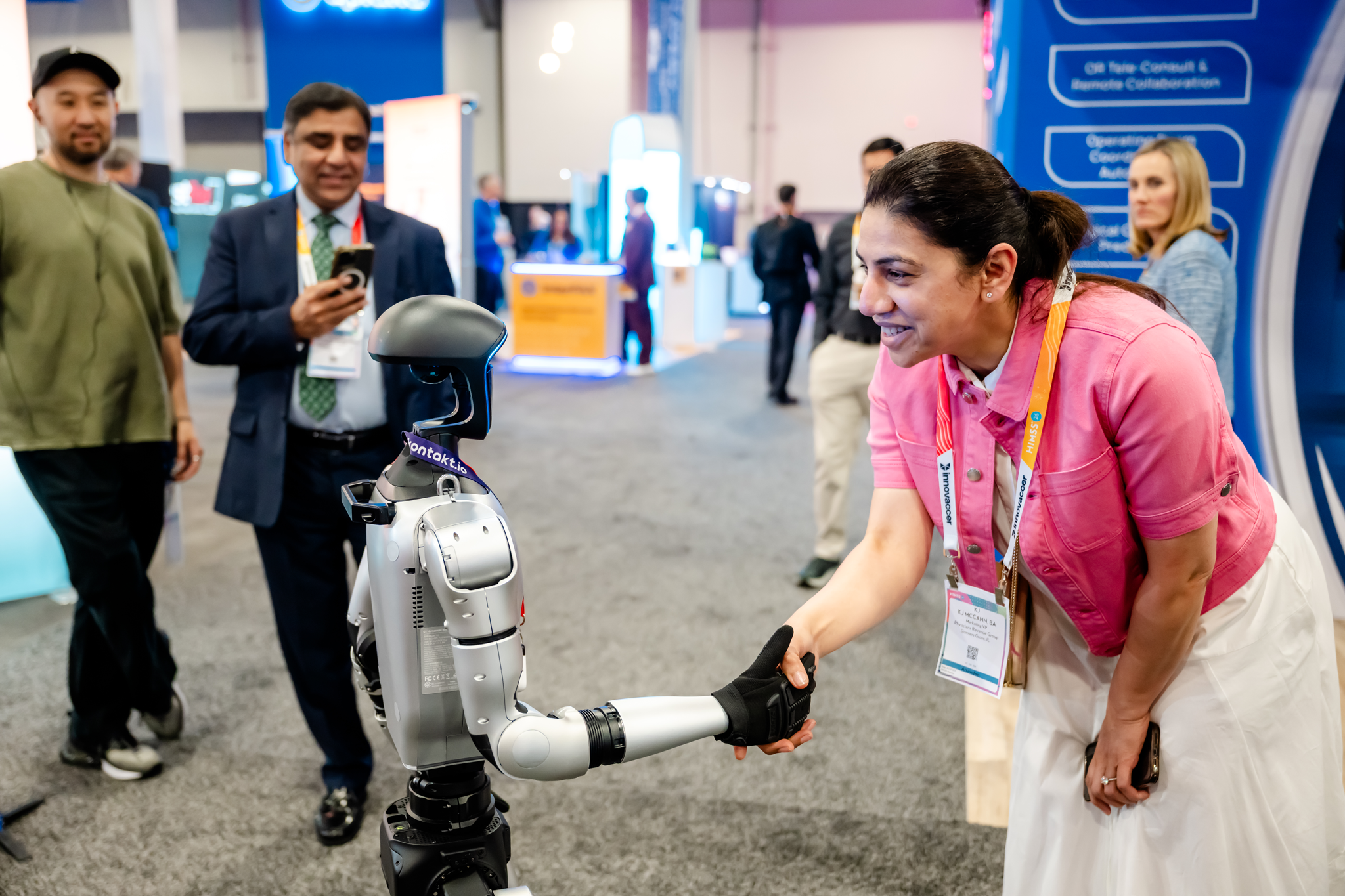
Interactive Experiences Outperform Passive Booths
Healthcare attendees are not looking to stand still and watch a sales pitch.
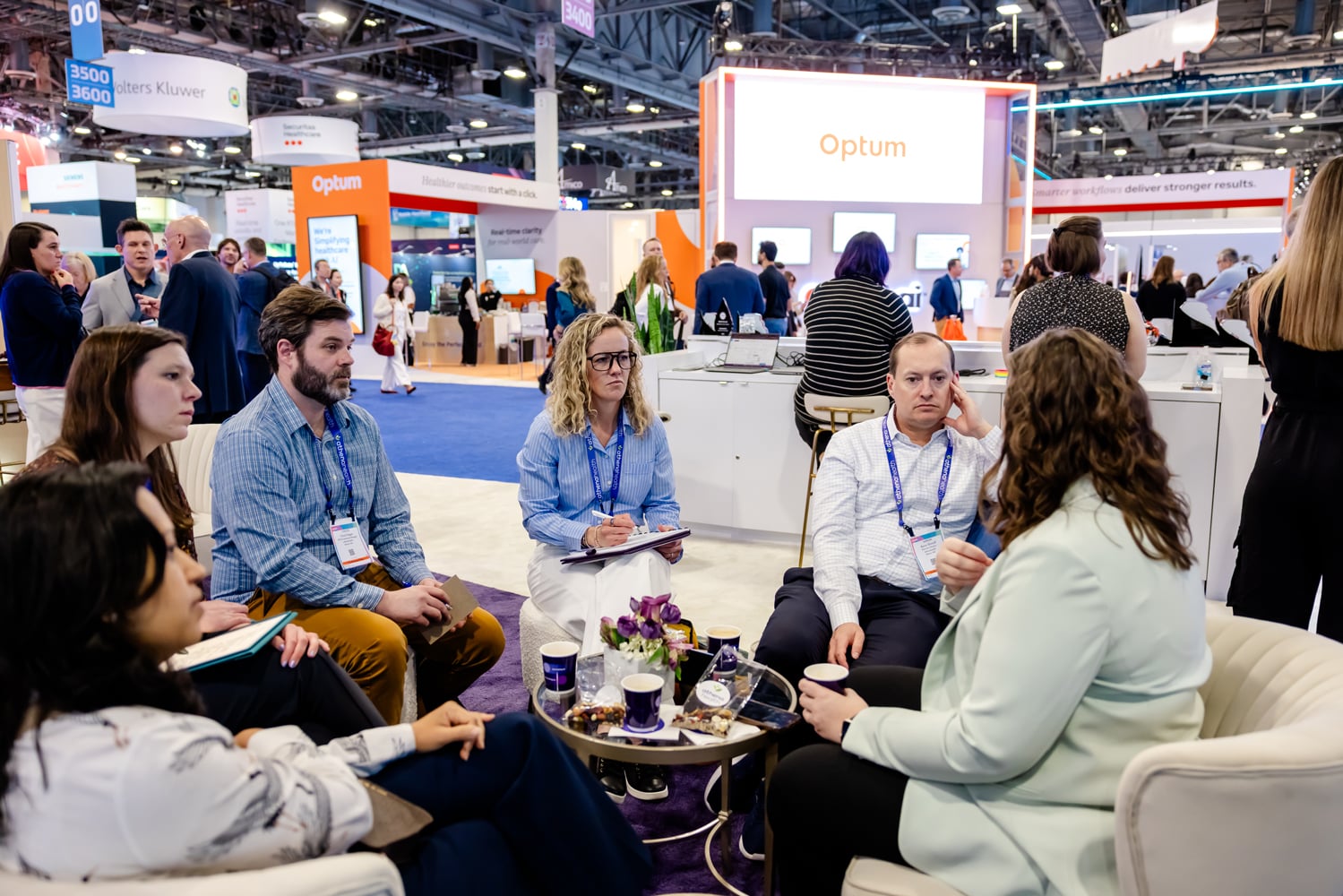
Freeman’s 2026 learning research found that attendees strongly value interactive and participatory experiences, with many reporting that in-person environments are most valuable when they include dialogue, hands-on engagement, live demos, and peer interaction.
The report also found that attendees consistently associate in-person value with:
- stronger engagement
- practical application
- conversation
- collaboration
- live demonstrations
- immediate feedback opportunities
That insight matters directly on the exhibit floor.
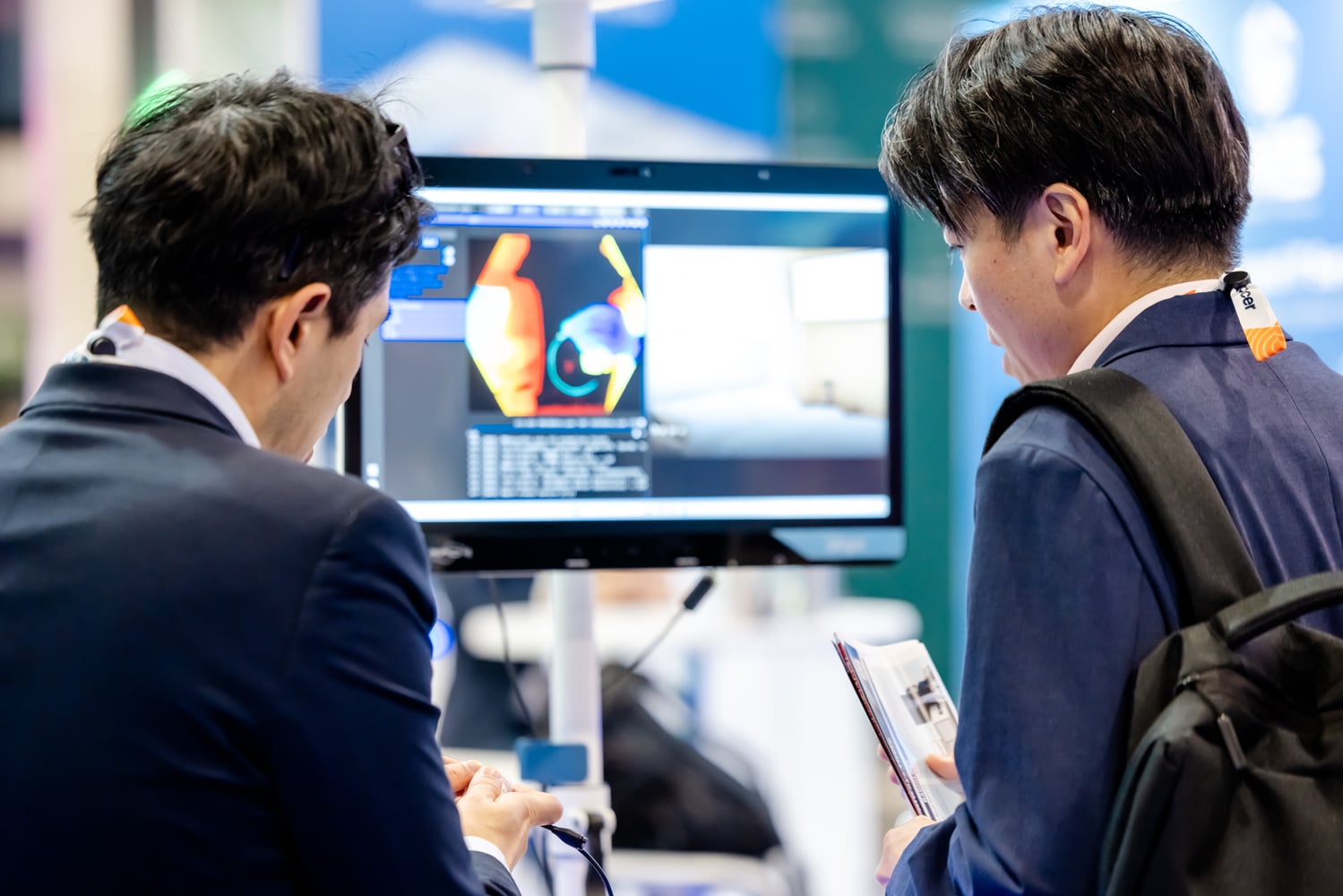
Static booths with looping videos and generic presentations often struggle to create meaningful engagement. Interactive environments tend to hold attention longer because they create participation rather than observation.
What buyers are more likely to stop for
- Live product walkthroughs
- Interactive dashboards
- Hands-on testing
- Peer-led discussions
- Mini theater sessions
- Workflow simulations
- Real customer use cases
- Rapid-fire demos focused on specific healthcare pain points
Healthcare professionals increasingly want to experience how technology works — not just hear about it.
Buyers Stay Longer When Conversations Feel Personalized
Healthcare buying cycles are increasingly complex and committee-driven. That means attendees often arrive with highly specific priorities tied to their organization’s operational challenges.
According to McKinsey research on healthcare consumer and organizational engagement trends, personalization and contextual relevance are becoming increasingly important across healthcare interactions — including B2B engagement.
Trade show conversations are no exception.
Exhibitors who quickly tailor conversations to:
- provider vs. payer priorities
- hospital size
- workflow maturity
- interoperability needs
- staffing concerns
- AI readiness
- cybersecurity pressures
tend to create more meaningful engagement.
Questions that create stronger conversations
- What operational challenge is top-of-mind right now?
- What systems are hardest to integrate today?
- Where are your teams experiencing the most friction?
- What outcomes are leadership prioritizing this year?
These types of discussions feel far more valuable than standardized elevator pitches.
The report also found that attendees consistently associate in-person value with:
- stronger engagement
- practical application
- conversation
- collaboration
- live demonstrations
- immediate feedback opportunities
That insight matters directly on the exhibit floor.
Static booths with looping videos and generic presentations often struggle to create meaningful engagement. Interactive environments tend to hold attention longer because they create participation rather than observation.
What buyers are more likely to stop for
- Live product walkthroughs
- Interactive dashboards
- Hands-on testing
- Peer-led discussions
- Mini theater sessions
- Workflow simulations
- Real customer use cases
- Rapid-fire demos focused on specific healthcare pain points
Healthcare professionals increasingly want to experience how technology works — not just hear about it.
Pre-Event Visibility Is Increasingly Influencing Booth Traffic
Many healthcare buyers decide which booths they want to visit before they ever arrive onsite.
That means exhibitors relying solely on show-floor discovery may already be behind.
According to Cvent trade show research, pre-event marketing and scheduled meetings continue to play a major role in improving exhibitor ROI and lead quality.
Healthcare attendees increasingly use:
- event apps
- email campaigns
- speaker sessions
- peer recommendations
- exhibitor content
- product announcements
to prioritize where they spend time onsite.
Strong pre-event strategies include
- Meeting booking campaigns
- Thought leadership content
- Product teasers
- Customer announcements
- Sponsored educational sessions
- Executive networking invitations
- Personalized outreach to target accounts
Final Takeaway
Healthcare buyers are becoming more selective with their time, attention, and purchasing decisions. On today’s show floor, exhibitors are no longer competing solely on visibility — they are competing on relevance.
The booths that consistently attract stronger engagement are increasingly the ones that:
- solve specific operational problems
- create interactive experiences
- prioritize education over pitching
- demonstrate real-world expertise
- personalize conversations
- connect technology to measurable outcomes
For exhibitors preparing for the , the biggest opportunity may not be building a louder booth.
It may be building a more useful one.