Freeman research shows that knowledgeable booth staff matter deeply to attendees.
The opportunity for exhibitors is to plan not only who will attend, but which discussions their team must be ready to advance.
A healthcare exhibit strategy must account for more than the booth itself. Messaging, meetings, demonstrations and sponsorship decisions shape the HIMSS27 presence, but so do the people representing the organization. Yet teams are often planned later and discussed primarily in terms of coverage: how many employees are needed, who can attend and when each person will be onsite.
That approach overlooks how attendees experience the team. Healthcare professionals rarely arrive with only one question, and a discussion that begins with a product overview can quickly move into workflow, interoperability, implementation, adoption, security or long-term strategy. The value of the team therefore depends on more than headcount. It depends on whether the organization is prepared for the discussions attendees want to have.
Freeman’s 2025 Commerce Trends Report makes the gap unusually clear. Ninety-three percent of attendees said booth staff capable of answering all their questions were very or extremely important, but only 78% considered exhibitors very or extremely effective at providing that capability. Attendees also placed high importance on receiving the expertise needed to evaluate an exhibitor, gaining perspective they could not find online and having access to the staff best positioned to assist them when needed.
Those findings do not suggest that sales professionals are less valuable. Sales often opens the relationship, recognizes the opportunity and connects the right people. The larger point is that one role cannot be expected to carry every discussion. A strong exhibit strategy anticipates where questions may go and gives the team a clear way to bring the appropriate knowledge into the exchange.
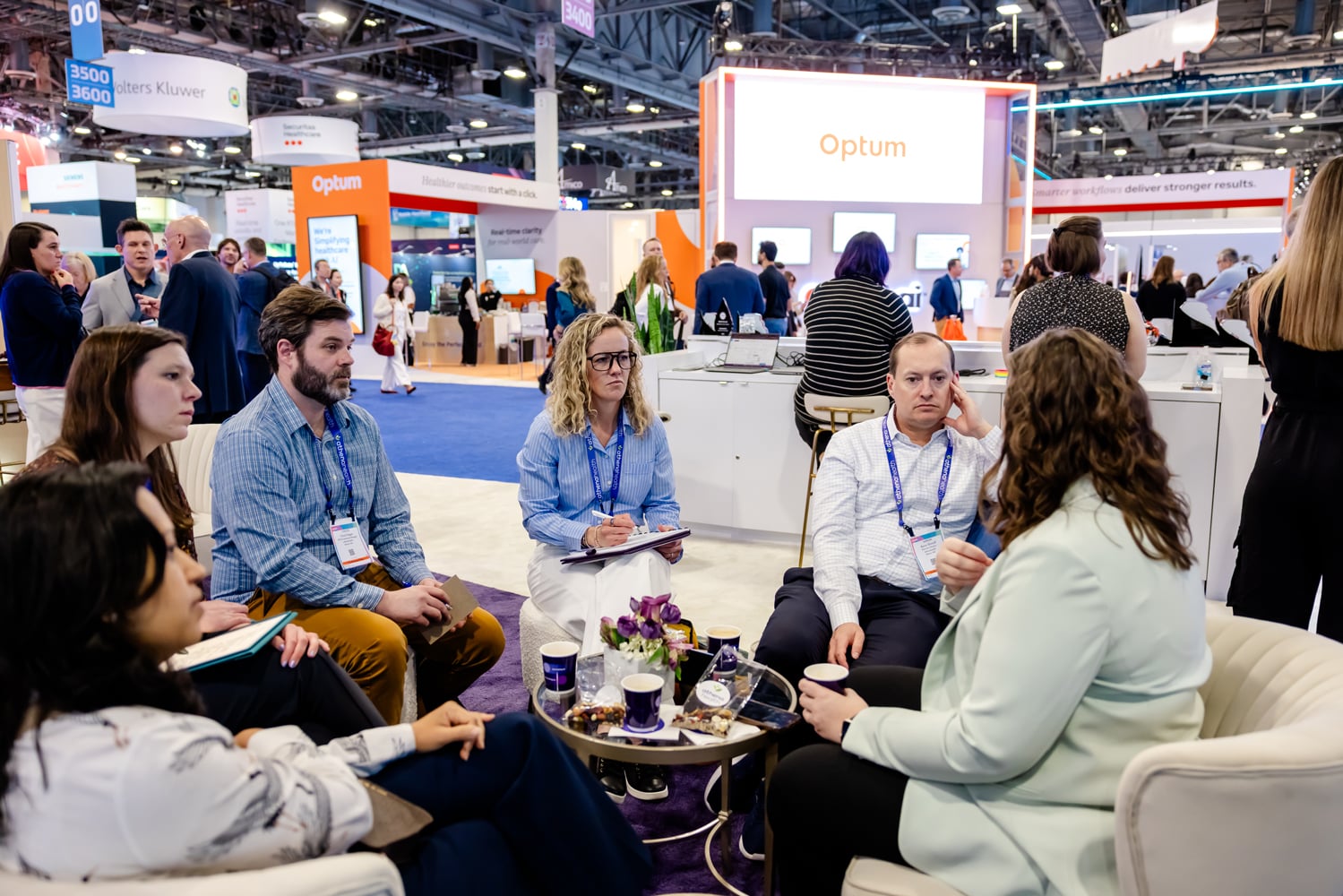
Planning your exhibit and planning your team are separate exercises. The booth creates the opening; the team determines how far the discussion can go.
Prepare for the Discussions That Follow the Introduction
A single attendee may move through several needs in one interaction. Rather than assigning every question to a fixed job title, exhibitors can plan around the types of discussions they expect and decide who is prepared to support each one.
Understand the Need
Explore Practical Fit
Validate the Approach
Define the Next Step
What challenge or priority brought the attendee to the booth?
How would the solution work within their workflow, technology environment or operating model?
What evidence, customer experience or implementation insight would make the approach more credible?
What additional person, meeting or information would help the attendee continue evaluating?
Every company will map those needs differently. A sales representative may handle several stages, or a product leader, implementation specialist, clinician, executive or customer-success team member may become more useful as the exchange deepens. The objective is not to add people indiscriminately. It is to know where the team’s knowledge resides and how to make it available without forcing the attendee to restart the discussion.
Before You Finalize the HIMSS27 Team
A simple planning exercise can expose gaps before the exhibit hall opens. Use the questions below as a gray-background checklist or a short planning module in the blog.
- What discussions are we expecting? Review the audience, active campaigns, customer priorities and product focus. Anticipate questions that extend beyond the initial overview.
- Who can credibly support each one? Identify where commercial, technical, clinical, implementation, customer and executive knowledge sits within the team. One person may cover several areas.
- When will that knowledge be available? Coordinate booth schedules, customer meetings, education and executive commitments so key expertise is not technically onsite but practically unreachable.
- How will people reach the appropriate team member? Use introductions, meeting schedules, clear internal handoffs or simple role identification to keep a promising exchange from stalling.
Put the Team’s Expertise to Work
The people who can advance these discussions may already be onsite in different roles: staffing the booth, attending sessions, meeting customers or supporting executive engagements. Treating those employees as separate from the exhibit strategy can leave useful expertise disconnected from the moments when attendees need it.
The opportunity is not to put every expert in the booth all day. It is to connect the organization’s collective knowledge to the moments when attendees need it. That may mean scheduling a technical specialist for targeted demonstrations, routing implementation questions to a customer-success leader, involving an executive in a strategic meeting or coordinating with colleagues attending elsewhere at the event. A strong booth can create interest, but interest alone has limited commercial value. The team turns that opening into a useful exchange by recognizing what the attendee needs next and making the organization’s knowledge accessible at the appropriate depth.
As HIMSS27 plans take shape, exhibitors should evaluate the people strategy alongside the space, sponsorship and meeting strategy. The goal is not simply to send enough employees to cover the booth. It is to ensure the company is ready for the discussions that could move an opportunity, customer relationship or strategic priority forward. The exhibit may be what attendees see first. The team is what shows them how the organization thinks, listens and responds.