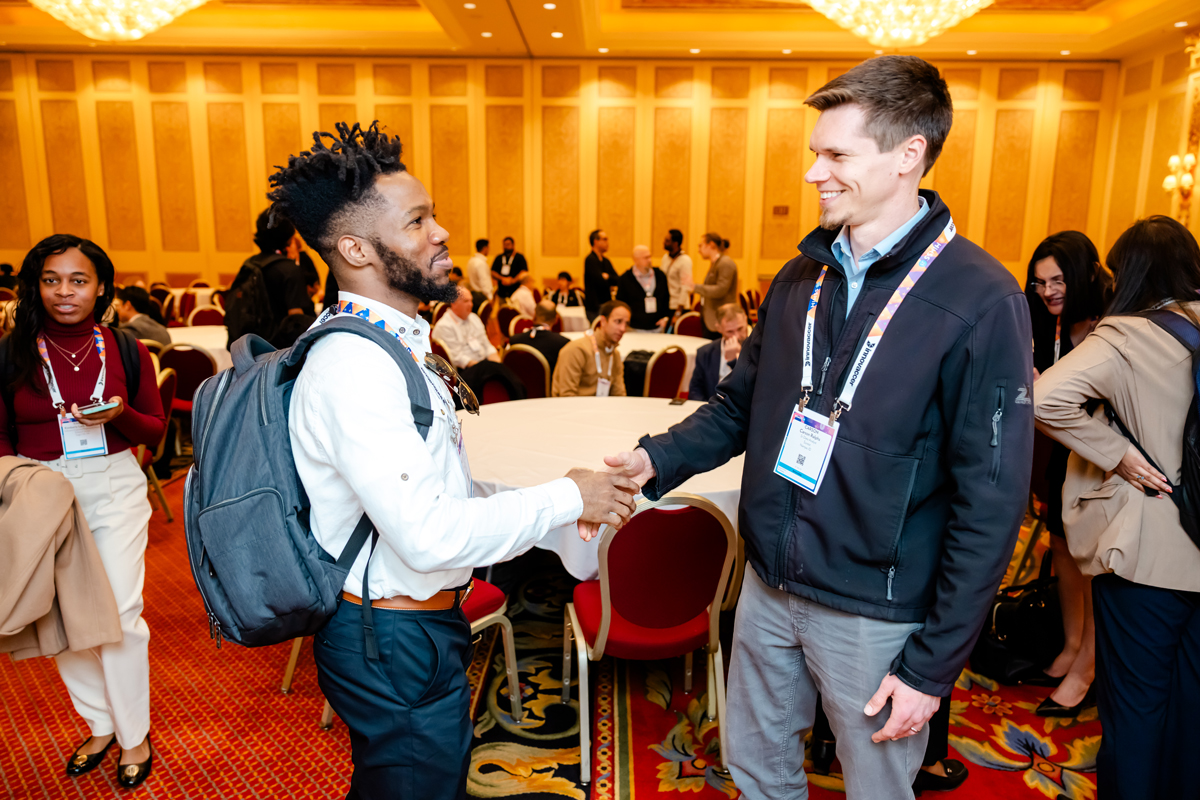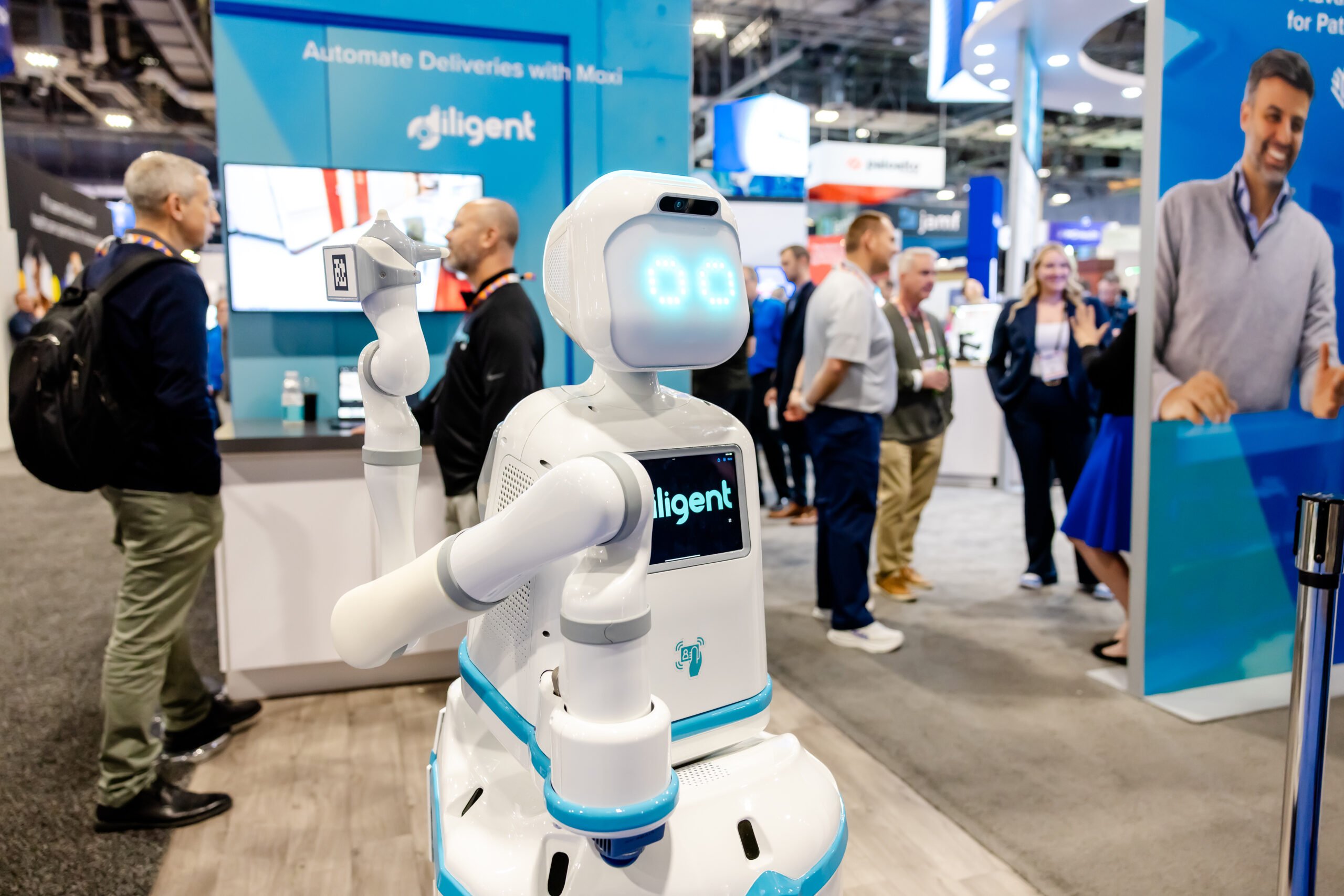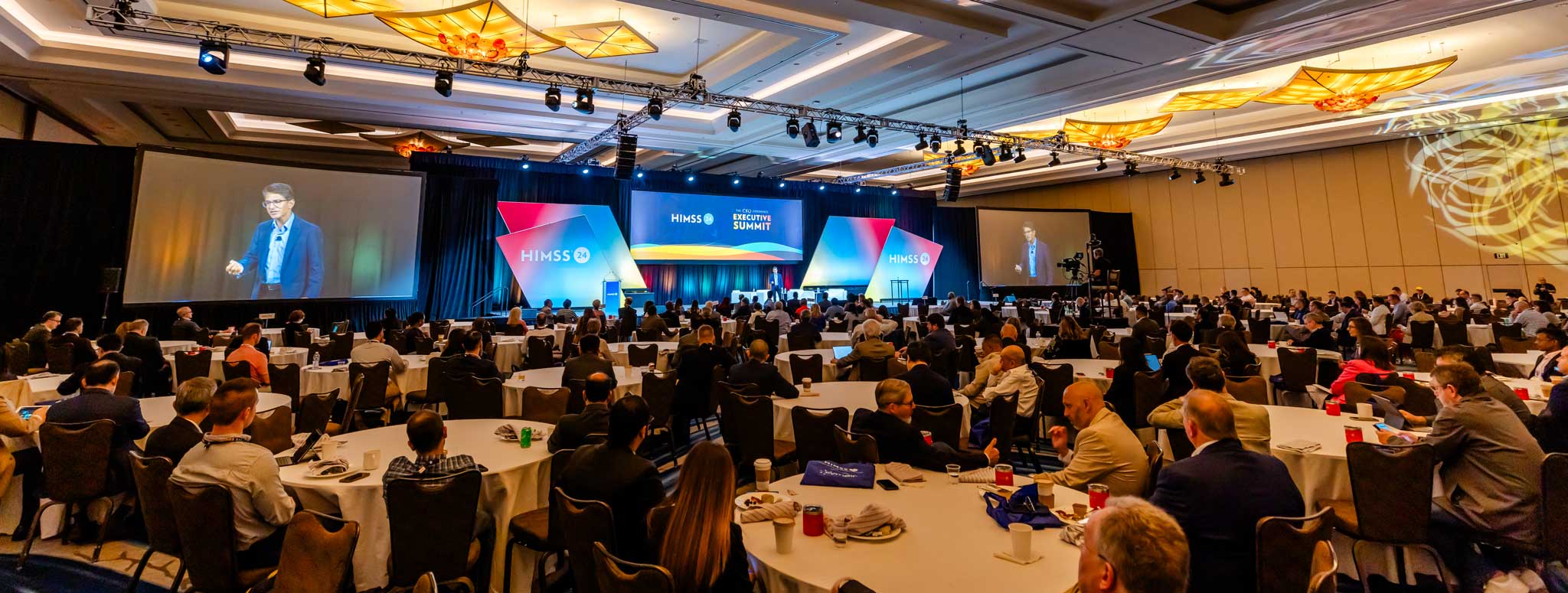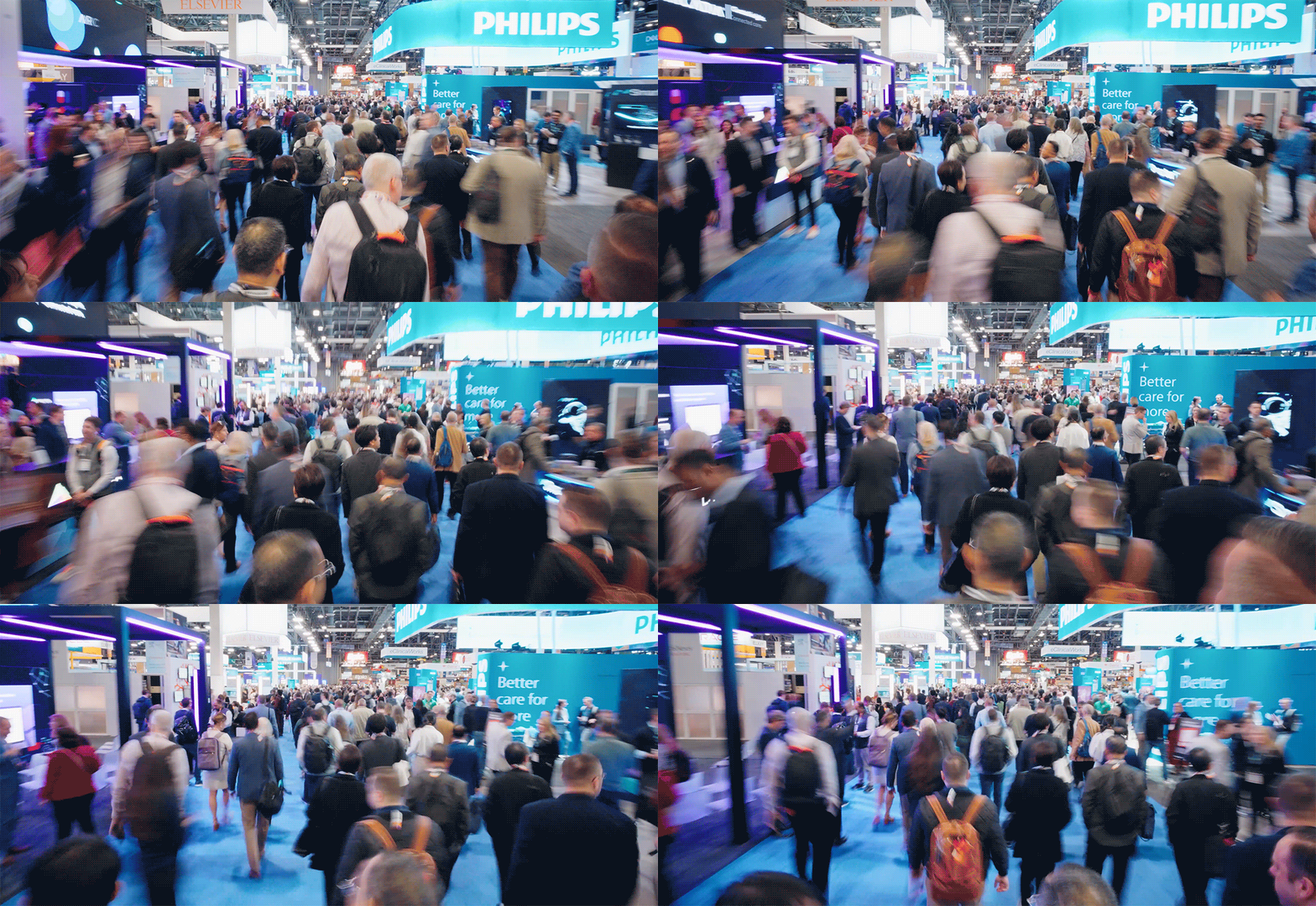
Healthcare organizations are investing more in event sponsorships, but expectations have shifted. Brand visibility alone is no longer enough. From sales and marketing to senior leadership, healthcare tech professionals want to understand how sponsorship participation influences pipeline, accelerates sales conversations, and strengthens long-term relationships with healthcare decision-makers.
The HIMSS Global Health Conference & Exhibition, taking place March 9–12, 2026, in Las Vegas, will bring together a large, diverse audience alongside extensive educational programming. This scale creates opportunities for sponsors to engage across multiple moments throughout the event, not only on the exhibit floor. Measuring success, however, requires moving beyond surface-level metrics and toward outcomes that align with how healthcare buying decisions are actually made.
See how far a HIMSS26 exhibit or sponsorship investment can go with our Value Estimator.
The Choice is Easy: Choose HIMSS26 and Snag Exclusive Sponsorships
Why Sponsorship Measurement Is Challenging, and Where HIMSS26 Fits
Visibility metrics such as impressions, booth traffic, and badge scans provide context, but they rarely answer the questions leadership teams ask after the event: Did we engage the right organizations? Did conversations signal real interest? What did we, or can we, progress?
HIMSS26 combines broad reach with extensive programming. That structure creates multiple engagement opportunities across sessions, meetings, and follow-up activity. When sponsors define what success looks like in advance and track the right signals through their own systems, the event becomes a measurable window for influence rather than a one-time exposure moment.
The key is not assuming outcomes, but intentionally designing measurement around business-relevant actions.
Pre-Event: Set Measurement Expectations Before HIMSS26 Begins
Effective sponsorship measurement starts before the event opens.
Sponsors begin by aligning internally on what success means in practical terms. This may include goals such as meetings held (ex: Are you focusing on strengthening existing target accounts? New targets?), demos scheduled, opportunities influenced, or stalled conversations reactivated.
From there, sponsors can:
Establish clear definitions for qualified engagement and follow-up
Create trackable pathways tied to sponsorship activity, such as dedicated landing pages or campaign links
Align marketing and sales teams on how post-event outcomes will be reported at 30, 60, and 90 days
This preparation helps ensure post-event reporting reflects agreed-upon outcomes rather than defaulting to volume-based metrics.
During the Event: Focus on Engagement Quality, Not Just Activity
Not all interactions carry the same value.
During HIMSS26, sponsors will encounter a wide range of attendee interactions. A brief booth visit should not be measured the same way as a solution-focused conversation or a scheduled meeting.
A simple, defensible approach is to distinguish between:
High-intent engagement, such as confirmed meetings, solution-specific discussions, or follow-up requests
Moderate-intent engagement, such as repeat interactions or relevant session attendance tied to the sponsor’s solution area
Low-intent engagement, such as one-time engagements or brief pass-throughs
This framework allows sponsors to report engagement in a way that reflects intent and relevance, rather than raw volume.
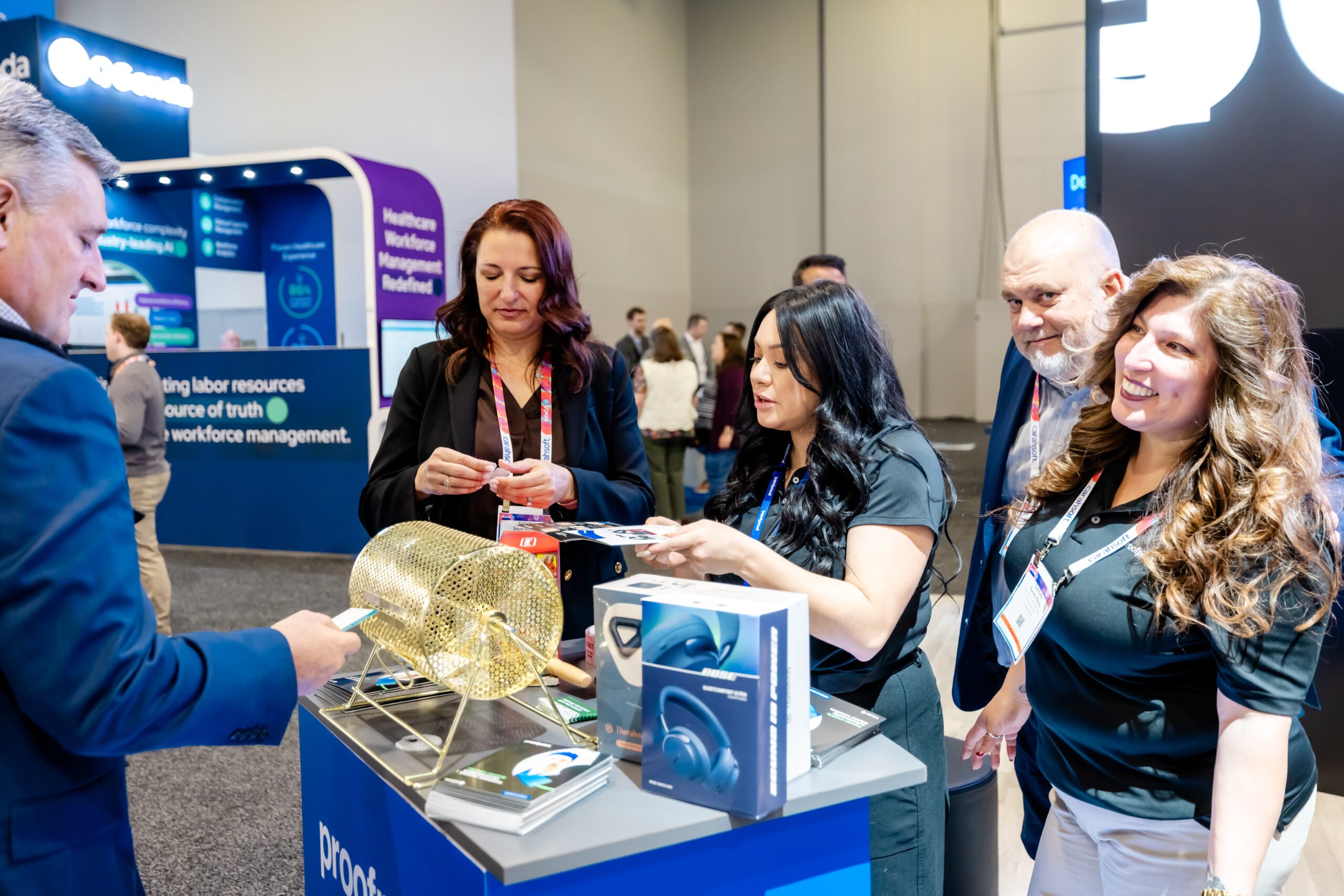
"If your company is in healthcare IT, HIMSS Global Health Conference & Exhibition has to be part of your marketing plan." - HIMSS25 Exhibitor
Lead Quality: Measure What Sales Teams Can Act On
Lead volume alone is rarely a reliable indicator of success. Buying decisions typically involve multiple stakeholders, and must be engaged throughout the process.
Sponsors evaluating HIMSS26 performance should focus on lead quality factors such as:
Role seniority and influence within the organization
Organizational relevance and alignment
Clear connection between attendee needs and the sponsor’s solutions
Evidence of post-event momentum, such as accepted follow-up or meetings scheduled
Reporting on qualified conversations and progression through early sales stages provides a clearer picture of sponsorship value than lead counts alone.
Did you know HIMSS25 exhibitors generated an average of 170+ leads per exhibitor? To discuss your HIMSS26 goals, contact our sales team.
Post-Event: Track Outcomes Over the Right Timeframe
Meaningful sponsorship outcomes often emerge after the event concludes.
Sponsors should plan to evaluate impact across defined post-event windows, such as:
30 days: follow-up completion, meetings held, demos scheduled
60 days: opportunities created or advanced, broader buying-group engagement
90–180 days: pipeline influence, sales cycle movement, longer-term account activity
This approach aligns measurement with real healthcare buying behavior rather than short-term activity.
Start Planning Your HIMSS26 Sponsorship Success
Sponsorship success is not measured by visibility alone. It is informed by how well organizations align sponsorship activity with measurable business outcomes and track what happens before, during, and after the event.
Approaching HIMSS26 with a clear measurement plan ensures your sponsorship success.